
Raising Cain
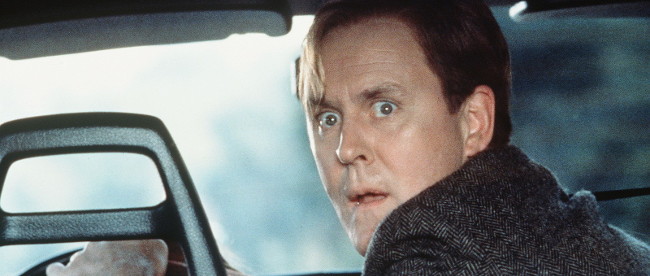
It’s not difficult to see why Raising Cain, a seriously over-the-top thriller, arrived when it did, as filmmaker Brian De Palma had spent the previous few years cranking out one prestigious drama after another – with this movie, one would imagine, standing as a palate cleanser for a filmmaker who cut his teeth in the world of low-budget comedies and horror flicks. The movie, which details the chaos and horror that ensues after a man (John Lithgow) unleashes the various personalities residing within, progresses at a brisk pace and suffers from few lulls, although, admittedly, it’s hard to deny that one’s interest does wane whenever Lithgow is off-screen (which isn’t that often, to be sure). Lithgow’s gleefully broad, scenery-chewing turn as the movie’s central character(s) certainly plays an instrumental role in confirming Raising Cain‘s success, as the actor’s go-for-broke performance remains a consistent highlight that effectively compensates for a few less-than-enthralling elements in De Palma’s screenplay. (There is, for example, a running subplot involving Lolita Davidovich’s adulterous Jenny that simply isn’t all that compelling.) It’s clear, too, that Raising Cain benefits substantially from De Palma’s thoroughly grandiose directorial choices, as the film boasts several absolutely eye-popping sequences that perpetuate and elevate the unabashedly lurid atmosphere. By the time the note-perfect final scene rolls around – that last shot remains one of the best last shots in all of cinematic history – Raising Cain has certainly confirmed its place as one of the most satisfying entries within De Palma’s decidedly erratic body of work.
***1/2 out of ****
Leave a comment
You must be logged in to post a comment.