
Blade Runner 2049
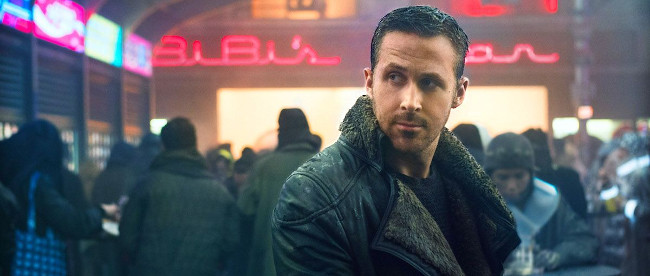
A visually-striking yet often ineffective sequel, Blade Runner 2049 follows Ryan Gosling’s K as he stumbles upon a long-buried secret involving Harrison Ford’s Rick Deckard. It’s ultimately clear that Blade Runner 2049 falls right in line with its ambitious misfire of a predecessor, as the movie, which proceeds at an often astonishingly deliberate pace, is generally unable to hold the viewer’s interest for more than a few minutes at a time – with filmmaker Denis Villeneuve clearly more interested in admittedly eye-popping style than coherence or momentum. Villeneuve’s art-house sensibilities pave the way for a picture that’s almost drowning in introspection and brooding, and although Gosling’s muted, emotionless performance is an ideal fit for K, the viewer is ultimately left with exceedingly little to connect to or care about. The movie’s erratic atmosphere is compounded by the ongoing (and rather unwelcome) inclusion of egregiously quirky elements, with, especially, the majority of scenes involving Jared Leto’s unreasonably oddball figure sticking out like a sore thumb and ultimately indicative of the unevenness of Hampton Fancher and Michael Green’s screenplay. The only thing preventing Blade Runner 2049 from transforming into an all-out snoozefest is a continuing emphasis on overtly engrossing interludes (eg a fight scene within a malfunction holographic environment, a climactic battle onboard a sinking vehicle, etc), but the movie, which is wholeheartedly unable to justify the absurd 164 minute (!) running time, is ultimately the sort of production that one admires more than one enjoys (ie the film could’ve used less ambiance and more context).
** out of ****
Leave a comment
You must be logged in to post a comment.