
The Grand Budapest Hotel
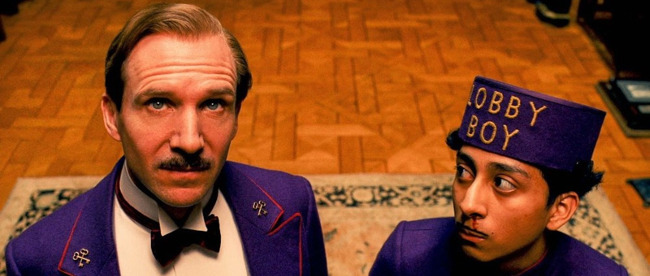
Set primarily during the 1930s, The Grand Budapest Hotel follows the title establishment’s concierge (Ralph Fiennes’ Gustave) as he battles several oddball characters for control of a valuable painting. There’s ultimately never any mistaking The Grand Budapest Hotel for anything other than a Wes Anderson film, as the writer/director has suffused the proceedings with all the touchstones for which he’s become associated – with the movie featuring, for example, breathtaking, meticulous production design and an assortment of almost excessively off-kilter figures (inhabited by, of course, various Anderson regulars). And although the novelty of the flamboyant universe is initially difficult to resist, Anderson’s notoriously whimsical sensibilities ensure that the film grows more and more tiresome as time progresses – with the movie’s style-over-substance atmosphere paving the way for a midsection that’s often as tedious as it is entertaining. (There is, for example, an ill-conceived prison-break stretch that seriously tests the viewer’s patience.) It’s not until The Grand Budapest Hotel progresses into its comparatively thrilling final act that the viewer is finally engaged, with the movie, which is otherwise content to operate at an almost infuriating level of consistent quirkiness, ultimately establishing itself as just another disappointment from a filmmaker with, seemingly, no qualms about repeating himself over and over again.
**1/2 out of ****
Leave a comment
You must be logged in to post a comment.