
A Nightmare on Elm Street
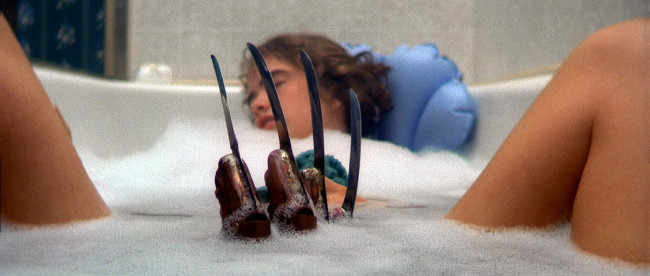
Written and directed by Wes Craven, A Nightmare on Elm Street follows several teenagers – including Heather Langenkamp’s Nancy, Amanda Wyss’ Tina, and Johnny Depp’s Glen – as they attempt to defeat the mysterious figure (Robert Englund’s Freddy Krueger) that’s been stalking (and murdering) them in their dreams. Despite its progressively violent and slapsticky sequels, A Nightmare on Elm Street primarily comes off as a low-key horror effort that’s ultimately not quite as enthralling as its premise might’ve indicated – with Craven’s ongoing efforts at cultivating an atmosphere of grim terror generally foiled by the less-than-eventful nature of his screenplay (and also by the unusually deliberate pace with which the narrative unfolds). It’s consequently not surprising to note that the film is only truly effective in fits and starts, as the rough-around-the-edges vibe – which, though evident in everything from the sets to the special effects, is particularly conspicuous within the earnest yet underwhelming performances – essentially prevents the viewer from connecting with the material on an all-too-frequent basis. Having said that, A Nightmare on Elm Street boasts several impressively conceived and executed dream/kill sequences that ultimately stand as the movie’s saving grace – as such moments, along with Englund’s expectedly compelling turn as the menacing antagonist, effectively compensate for the almost pervasive sense of unevenness that’s been hard-wired into the proceedings. The end result is a passable piece of work that’s not entirely able to live up to its iconic reputation, although one admittedly can’t help but admire the off-kilter and sporadically avant-garde bent of Craven’s visual choices.
**1/2 out of ****
Leave a comment
You must be logged in to post a comment.